





Residential, Light Commercial & VRF Solutions

Tailored HVAC solutions designed to meet the unique needs of homes, small businesses, and advanced VRF systems.

Comprehensive AMC for Reliable Performance

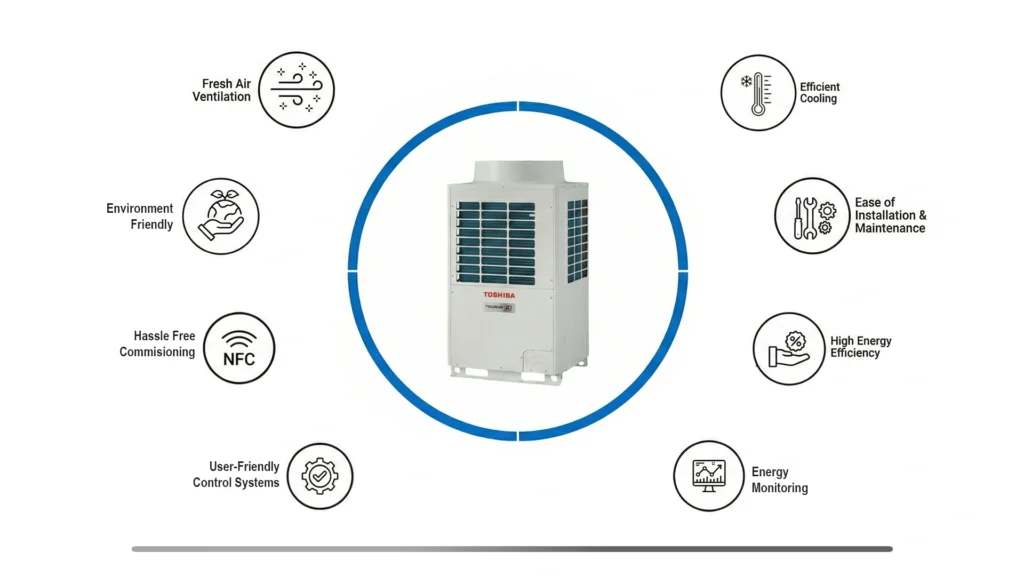
Ensure uninterrupted operation and peak efficiency with our end-to-end Annual Maintenance Contract service. From preventive inspections and energy monitoring to optimized cooling and fresh air performance, we deliver proactive care that extends equipment life, reduces downtime, and maintains a healthier, energy-efficient environment.

gold bg r

Health & Condition
Assurance

Key Benefits

Outcomes

Gemini_Generated_Image_nonifnonifnonifn-removebg-preview

Preventive Performance
Protection

Key Benefits

Outcomes

Gemini_Generated_Image_v9mgb8v9mgb8v9mg-removebg-preview

Priority Support & Risk
Mitigation

Key Benefits

Outcomes

AMC Plans & Service Coverage Overview

A clear comparison of our Gold, Platinum, and Full Protection AMC plans, designed to help you choose the right level of maintenance, performance protection, and priority support for your HVAC systems.

Service scope Gold AMC Platinum AMC Full Protection AMC
Scheduled Preventive Maintenance Visits
1 visit / year
1 visit / year
2 visit / year
Annual System Inspection & Report
Indoor Unit Filter Cleaning
Indoor & Outdoor Coil Cleaning
Electrical & Mechanical Checks
Refrigerant Circuit Assessment
Controls & Communication Checks (local)
Basic
Detailed
Detailed
Operational Testing & Performance Verification
Priority Breakdown Response Scheduling
Annual Condition & Recommendations Report

Protect Your Comfort with Annual HVAC Care

Routine maintenance helps extend system life, reduce energy costs, and maintain reliable performance. Our certified service approach keeps your home comfortable in every season.

Five Reasons Why HVAC Maintenance Is Essential

Increased Energy Efficiency

Regular maintenance helps your system run efficiently, reducing energy use and lowering bills.

Extend HVAC System Lifespan

Routine check-ups prevent wear and tear, reducing breakdowns and extending your HVAC system’s life.

Prevent Costly Repairs

Early detection of issues avoids major problems and saves on expensive repairs.

Improved Air Quality

Cleaning filters and ducts reduces dust, allergens, and pollutants for healthier indoor air.
Consistent Comfort

A well-maintained system ensures stable temperature and humidity for better comfort.

Three DIY HVAC Maintenance Tips

Regular maintenance helps keep your HVAC system running efficiently, reduces energy costs, and extends its lifespan. Here are three simple DIY maintenance tasks you can do to ensure optimal performance.

Filter Replacement

Replace your air filter every 1–3 months to improve airflow, air quality, and system efficiency while preventing higher energy costs.
Clean Vents and Ducts

Regularly remove dust and debris from vents to maintain efficiency and reduce allergens. Keep vents unblocked.

Clear Outdoor Unit

Keep outdoor units free of leaves and dirt. Maintain at least 2 feet of space and rinse coils to prevent buildup.

Expert Building Services Tailored to Your Goals

Preventative maintenance is scheduled regularly with your local Carrier dealer to ensure the system operates efficiently and to avoid breakdowns. This can be done seasonally (spring and fall) or annually.

Cleaning Coils

Cleaning evaporator and condenser coils to improve heat transfer and efficiency. Learn more about air conditioner coil cleaning and how to clean evaporator coils.

Thermostat Calibration

Checking and calibrating the thermostat for accurate temperature control.

Inspecting Ductwork

Ensuring ducts are sealed and not leaking air, improving energy efficiency.

Lubricating Moving Parts

Lubricating motors, bearings, and other moving components to reduce friction and wear.

Checking Refrigerant Levels

Inspecting refrigerant levels in air conditioners and heat pumps, recharging if necessary.

Tightening Electrical Connections

Checking and tightening loose electrical connections to prevent power failures.

Inspecting Drain Lines

Clearing condensate drain lines to prevent clogs and water damage.

Fan and Blower Inspection

Ensuring fans and blowers are working efficiently and making adjustments if needed.

This type of maintenance occurs when an issue arises or is identified during preventative checks. It’s reactive and focuses on fixing problems.

Replacing Worn Parts

Changing worn-out components like belts, motors, and capacitors.

Duct Repairs

Sealing or repairing damaged ductwork that’s causing air leaks.

System Tune-Up

Adjusting the system to improve performance if there are signs of inefficiency, such as uneven cooling or heating.

Fixing Refrigerant Leaks

Identifying and repairing refrigerant leaks in cooling systems.

Specific to either heating or cooling seasons, seasonal maintenance ensures the system is ready for peak usage.

Heating Season Maintenance

This includes checking the furnace, cleaning burners, inspecting the heat exchanger, and ensuring the system is ready for winter.

Cooling Season Maintenance

This involves inspecting the air conditioner, cleaning coils, and checking refrigerant levels before summer.

A detailed yearly maintenance that includes inspecting and servicing all system components.

Comprehensive Inspection

A full assessment of the HVAC system, identifying any potential issues before they become major problems.

Performance Testing

Testing the overall efficiency and performance of the system.

Frequently Asked Questions About HVAC Maintenance

HVAC maintenance that can be performed by a homeowner includes regularly changing air filters to maintain airflow, cleaning condenser coils and evaporator coils with a brush or vacuum, and removing leaves and debris around your outdoor unit. For complex issues like refrigerant levels or electrical components, it's best to consult a professional.

HVAC maintenance tasks for a professional to perform include checking refrigerant levels, inspecting ductwork for leaks, cleaning the blower, fan, and vents to ensure proper airflow, testing the thermostat for accuracy, inspecting electrical connections, lubricating moving parts, and cleaning the drain lines to prevent clogs. Proper maintenance helps improve efficiency, extend system life, and prevent costly repairs.

Yes, HVAC preventative maintenance can be worth it. It can extend the system's lifespan, improve energy efficiency, and reduce the risk of unexpected breakdowns. Regular maintenance ensures optimal performance, lowering heating and cooling bills and preventing costly repairs. While it requires an upfront investment, it can save money in the long run by maintaining the HVAC system's reliability and efficiency.

Standard HVAC maintenance includes changing filters, cleaning coils, checking refrigerant levels, inspecting the thermostat, and ensuring proper airflow. It also involves cleaning ducts and checking for leaks or blockages to maintain system efficiency and extend its lifespan. Regular tune-ups help prevent costly repairs and improve air quality.

Four of the most popular types of HVAC maintenance are preventative maintenance, corrective maintenance, seasonal maintenance, and annual comprehensive maintenance.

HVAC inspection involves assessing the system's overall condition, identifying potential issues, and ensuring it’s functioning properly. Maintenance, on the other hand, includes routine tasks like cleaning, replacing filters, and tuning up components to keep the system running efficiently and prevent breakdowns. Inspection is more diagnostic, while maintenance is proactive care.

About The Author: Travis Baugh is a Digital Brand Marketing Manager for Carrier, where he develops informative, straightforward content to help homeowners better understand heating, cooling, and indoor air quality. His writing is focused on empowering homeowners to make confident, well-informed choices about their home comfort systems.

How Can We Help?

Have a question that doesn’t fit a specific category? Reach out to our team here for all other support
and information

    Become a Dealer

    Get directed to our Business Development team to start the authorization process and discuss sales support.

    Technical Assistance

    Get specialized help with system sizing, load
    calculation analysis, and technical data required for project design.

    Aftermarket Service

    Request support for warranty claims,
    scheduled maintenance, and genuine spare
    parts ordering.

    For more information : ahi@ahi-carrier.com